
Understanding the Importance of Security Cameras in Kirkheaton
Security cameras are an integral part of maintaining a safe and secure environment within Kirkheaton, a quiet village in West Yorkshire. Given its growing residential and commercial significance, the necessity for efficient security measures is paramount. Surveillance cameras provide an effective means to deter criminal activity, ensure public safety, and aid law enforcement agencies in maintaining peace and order.
The benefits of installing security cameras are manifold. Apart from deterring potential criminals, they can provide important evidence in the event of a crime, making them indispensable for businesses and residences alike. Moreover, they offer a sense of security and peace of mind to Kirkheaton residents, knowing that their properties are being monitored around the clock.
Additionally, the importance of security cameras in Kirkheaton extends beyond crime prevention. They can be used for various residential purposes, such as monitoring the arrival of guests or checking on children playing in the yard. For businesses, surveillance systems can be utilised to monitor employee productivity, track inventory, and ensure adherence to safety protocols. Thus, security cameras serve a multifaceted role within the community.
Types of Security Cameras Suitable for Kirkheaton Premises
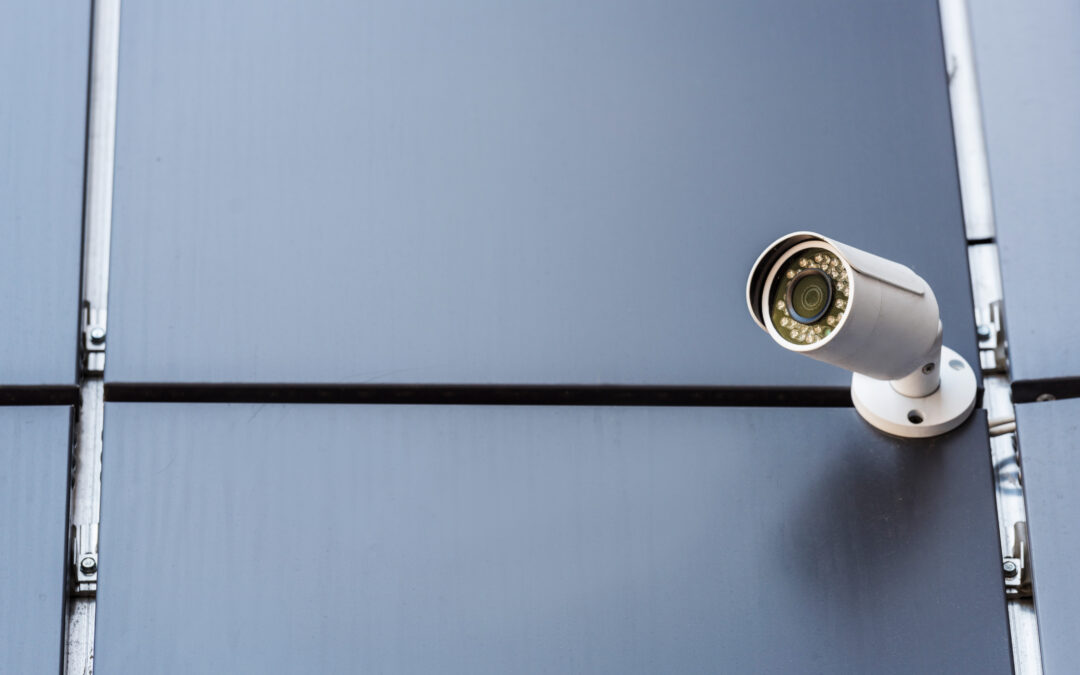
There is a wide variety of surveillance cameras suitable for different premises in Kirkheaton. Dome cameras, for instance, are inconspicuous and ideal for interior home and business use, while bullet cameras offer long-distance viewing capabilities, perfect for monitoring large outdoor areas. PTZ cameras provide pan, tilt, and zoom functions, offering comprehensive coverage of the area.
Covert cameras are another viable option, designed to blend seamlessly into the environment for unobtrusive monitoring. For those requiring high-definition surveillance, IP cameras offer superior image quality and advanced video analytics. Lastly, thermal security cameras are perfect for low-light or tough weather conditions, providing reliable detection even in complete darkness or through obstacles such as smoke or fog.
Choosing the right type of security camera depends on individual needs, the nature of the property, and the specific security concerns. It’s crucial to assess the property’s vulnerabilities and the key areas that require monitoring before deciding on the appropriate camera type.
Choosing the Right Security Camera System for Your Needs
Choosing the right security camera system requires careful consideration of your specific needs and circumstances. This involves a detailed assessment of your property, noting potential entry points, blind spots, and high-traffic areas that require surveillance. For large spaces or commercial properties, systems with multiple cameras, remote viewing capabilities, and enough storage for high-definition video are recommended.
It’s also crucial to understand the different features offered by various security systems. Some systems offer motion detection, night vision, and weather-resistant features, while others provide advanced features like facial recognition or license plate reading. The choice of the system should align with the level of security required, the size of the premises, and its environmental conditions.
Lastly, it’s advisable to consider the usability and integration of the system. Choose a system that is user-friendly, easy to install and maintain, and one that can integrate with other security measures such as alarms or access control systems. Consulting with professional security advisors can help make an informed decision.
Step-By-Step Guide to Security Camera Installation
The installation process for security cameras may vary depending on the type of device and the specificities of the premises. However, a standard procedure involves choosing the appropriate locations for camera installation, mounting the cameras, running the cables, connecting the system to a monitor or recording device, and finally, testing the system to ensure it’s functioning properly.
While DIY installation is possible with some systems, professional installation is recommended to ensure optimal performance and avoid potential issues. Qualified installers have the necessary skills and tools to handle the job correctly, ensuring cameras are positioned for the best field of view, cables are hidden or secured, and the system is connected correctly.
Upon installation, it’s essential to regularly check the system to ensure it remains functional and responsive. This includes checking the video feed, testing the system’s features such as motion detection or night vision, and making sure the recorded footage is clear and usable.
Navigating the Legal Implications of Camera Installation in Kirkheaton
While surveillance cameras can greatly enhance security, it’s critical to be aware of the legal implications associated with their installation and usage in Kirkheaton. Under UK law, there are specific guidelines to adhere to, particularly regarding privacy rights. Cameras should not be pointed at other people’s property, public roads, or places where individuals would have an expectation of privacy, such as bathrooms or changing rooms.
For businesses, the Data Protection Act 1998 stipulates additional requirements. Businesses must notify the Information Commissioner’s Office (ICO) about the camera installation, clearly display signs informing people that CCTV is in operation, provide footage to individuals filmed upon request, and not use the system for purposes other than those declared to the ICO.
It’s highly recommended to seek legal advice or consult with a professional security company to ensure compliance with all legal requirements. Non-compliance can result in hefty fines or legal action, making it imperative to fully understand and adhere to the law.
Essential Maintenance Tips for Your Security Camera System
Regular maintenance is key to ensuring the longevity and efficiency of your security camera system. This involves routinely checking the power supply and cables, cleaning the camera lenses, checking for corrosion or damage, and ensuring the system’s software is up-to-date.
Storage devices should be checked regularly to ensure they’re functioning properly and have adequate storage space. If your camera system uses batteries, these should be checked and replaced periodically. If the system is connected to the internet, ensure that it is secure and protected against hacking or malware.
Beyond these basic maintenance tasks, it’s advisable to schedule professional maintenance at regular intervals. Professional technicians can perform more detailed checks, diagnose potential issues, and ensure the system is working at its optimum efficiency.
Maximising the Efficiency of Your Security Cameras
To maximise the efficiency of your security cameras, correct placement is key. Cameras should cover all primary entry points, frequently used areas, and blind spots. Ensuring the cameras are visible can also act as a deterrent to potential criminals.
Use the advanced features of your camera system to their fullest potential. Motion detection can be set up in high-risk areas to alert you of any activity, while night vision can ensure clear footage even in low-light conditions. Regularly reviewing the footage can also help identify potential security issues or areas of concern.
Moreover, integrating your security camera system with other security measures can enhance its efficiency. This could include linking cameras with alarms or access control systems, or setting up mobile alerts for real-time surveillance. A holistic approach to security measures can significantly boost the effectiveness of your surveillance system.
Advanced Features to Consider for Your Security Camera System
Advanced features can greatly enhance the functionality and effectiveness of your security camera system. Features such as facial recognition can identify individuals in the camera’s field of view, which can be useful in both residential and commercial settings. License plate reading can be beneficial for businesses or properties with a high volume of vehicle traffic.
Cloud storage options may also be worth considering for easy accessibility and backup of footage. Wireless cameras offer the advantage of easy installation and flexibility in placement, while systems with mobile viewing capabilities allow monitoring from anywhere at any time.
Additionally, some advanced systems offer smart home integration, allowing the cameras to interact with other devices such as lights, alarms, or door locks. This can provide a more comprehensive and convenient security solution. While these advanced features can enhance security, they should be chosen based on individual needs and circumstances.